
Prompted by a trip last week to Manchester, the city of my birth, I got thinking about which UK city is now “best” for beer.
“Best” is a difficult term to define, so I won’t try. It’s also very subjective. When I started drinking there in the 1970s, subsequently moving to the Midlands and London, I would always put Manchester forward for the accolade of best beer city. But what about today? Does it retain that title?
Leaving London out of the reckoning – it’s big, spread out, and difficult to consider as a single entity – my current home town of Bristol ranks near the top of the (imaginary) beer city rankings.
Like most cities, Bristol has a fairly compact core plus the Greater Bristol area. Most of South Gloucestershire and North Somerset have Bristol postcodes and the West of England Combined Authority (WECA) area also includes Bath. The Bristol and District Camra branch area has around 30 active breweries; the wider WECA area nearly 50. As a comparison, the Greater Manchester area has almost 60 breweries. This puts Manchester ahead on numbers, but Greater Manchester has about three times the population of Greater Bristol. So on the measure of breweries per capita Bristol is well ahead.
Number of breweries is interesting, but the measure of a great beer city goes deeper. What pubs does the city have and what is the drinking choice? Of the forty-odd breweries in and around Bristol only one was founded before 1980: Butcombe. Other major breweries of Bristol’s past, subsidiaries of the “Big Six” such as Courage, are long gone. The vast majority of Bristol’s breweries are smal(ish) and founded in the last 25 years.
Why is Manchester different?
The situation in Manchester has always been a little different. Certainly in the 1970s subsidiaries of the Big Six were prominent: Wilsons (Watney), Boddingtons and Chesters (Whitbread) all had breweries in the city. Tetley (Allied) supplied their pubs from Leeds and Warrington. All these breweries subsequently closed. However the area also had a number of family-owned breweries. Some of these succumbed to the power of the Big Six, for example Oldham Brewery, which was bought by Boddingtons (Whitbread) and then closed. Four others remain: Joseph Holt, Hydes. JW Lees, Robinsons. All of these were founded in the 19th century and are still active today.
[There is one more active brewery in Manchester which claims 19th century origins. Heineken’s Moss Side brewery has just celebrated 150 years of operation. Previously owned by Scottish and Newcastle, the brewery is a lager only operation. It claims to have brewed the UK’s first lager in 1927, then became the home of Harp in the 1960s and now produces a range of licensed beers. Its presence adds little to the rest of this post, other than to underline the diversity of Manchester’s brewing.]
As well as the four historic family brewers, the Manchester area supports the expected range of newer independent breweries. This range from the “micro” to the regional players. Bank Top in Bolton and Marble in Salford were perhaps the first of the new generation, being founded in the 1990s. Many others followed this century.
As well as the number of breweries in the Manchester area, their range is also interesting. From the very traditional Dark Mild and Flat Cap Bitter brewed by Bank Top, through the inevitable modern IPAs (West Coast, East Coast and all points in-between) from producers such as Cloudwater and Track, to more experimental beers. Balance Brewing have built a reputation based on mixed fermentation and aged beers and appear on the drinks lists of at least one Michelin-starred restaurant.
Breweries are not the whole story
Breweries are just one part of a city’s beer culture. Pubs also form an important part of the scene. Both Bristol and Manchester have plenty of establishments owned by the big pub companies (Greene King, Stonegate, Wetherspooons, et al.) However, these add little to a city’s drinking identity. Bristol also has a number of pubs owned by local breweries, some freehouses, a clutch of micropubs and a plethora of taprooms (over a dozen at the last count) at, or near, the owning brewery.
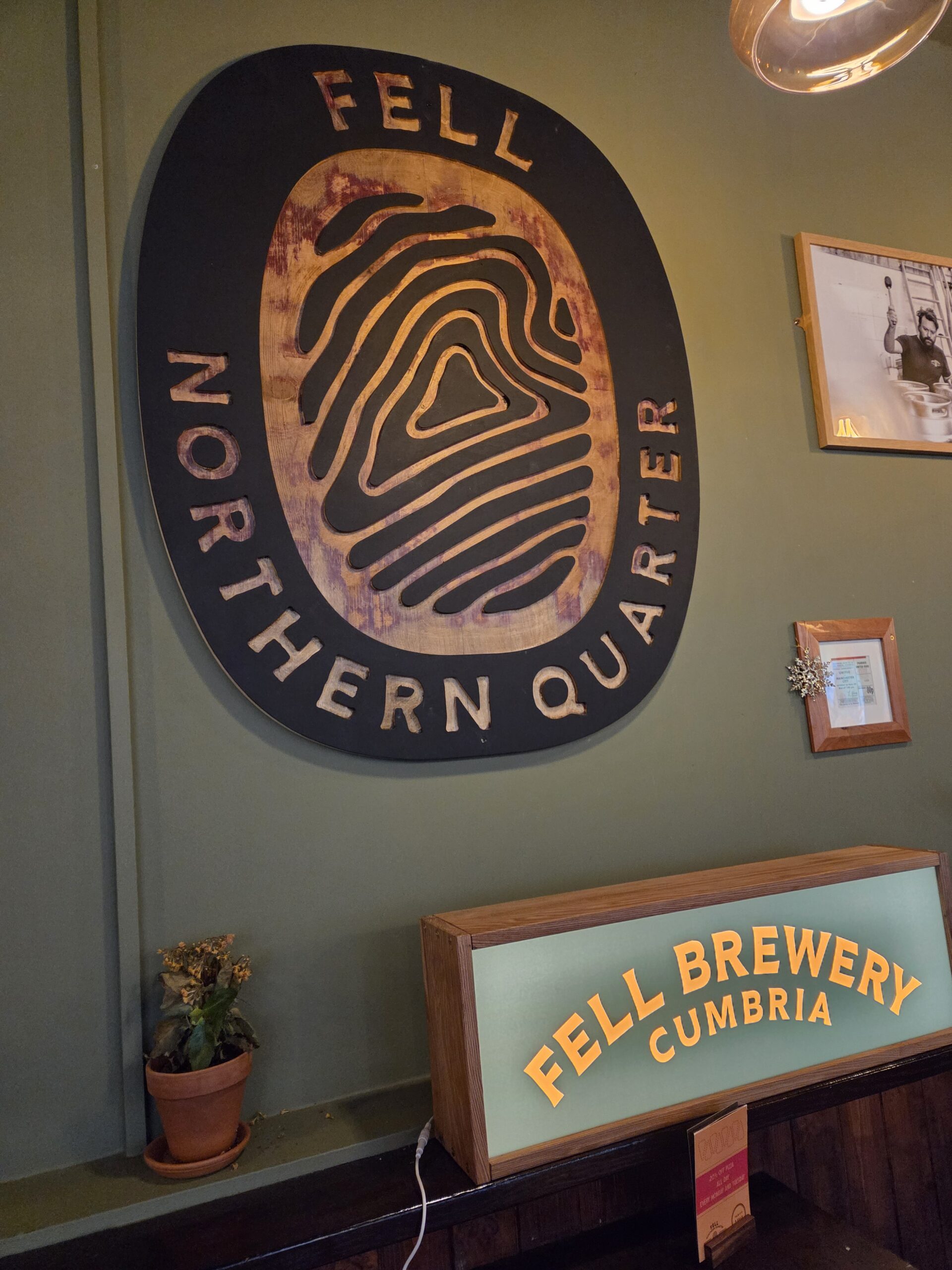
Manchester features all these, but also still has traditional tied houses owned by the family breweries. These have not stagnated; there are still back street locals to be found, but also modern bars, particularly from JW Lees. The sheer range of drinking establishments in Manchester has always been impressive. Listed Victorian pubs have now been joined by modern beer bars, such as Café Beermoth. The latest addition to the scene has been the arrival of taprooms belonging to out-of-town breweries. At present Fell (Cumbria), North, Northern Monk and Vocation (all West Yorkshire) all operate bars/taprooms.
My conclusion
Bristol is a good contender for best beer city and certainly punches above its weight. But with its blend of historic and new breweries, traditional pubs, modern bars and taprooms, Manchester still has my vote.
Do you agree? Sheffield, Newcastle and Liverpool are often suggested as contenders. I’ve drunk in them all but perhaps they warrant a re-visit.